
Best Time to Visit Charleston, SC (A Season-by-Season Guide)
The best time to visit Charleston, SC depends on what kind of trip you're after, but the short answer is this: aim for spring or fall. Charleston, SC (CHS) is one of those rare cities that genuinely works year-round, with mild winters, a walkable downtown, and enough history and coastline to fill any itinerary. But the shoulder seasons hit a sweet spot between great weather and manageable crowds that's hard to beat.
Breeze Airways™ flies nonstop to Charleston from more than 25 cities, making it easy to time your trip around the season that suits you best. Here's a full breakdown of what each season looks like in Charleston, from temperatures and events to crowd levels and pricing, so you can book with confidence.
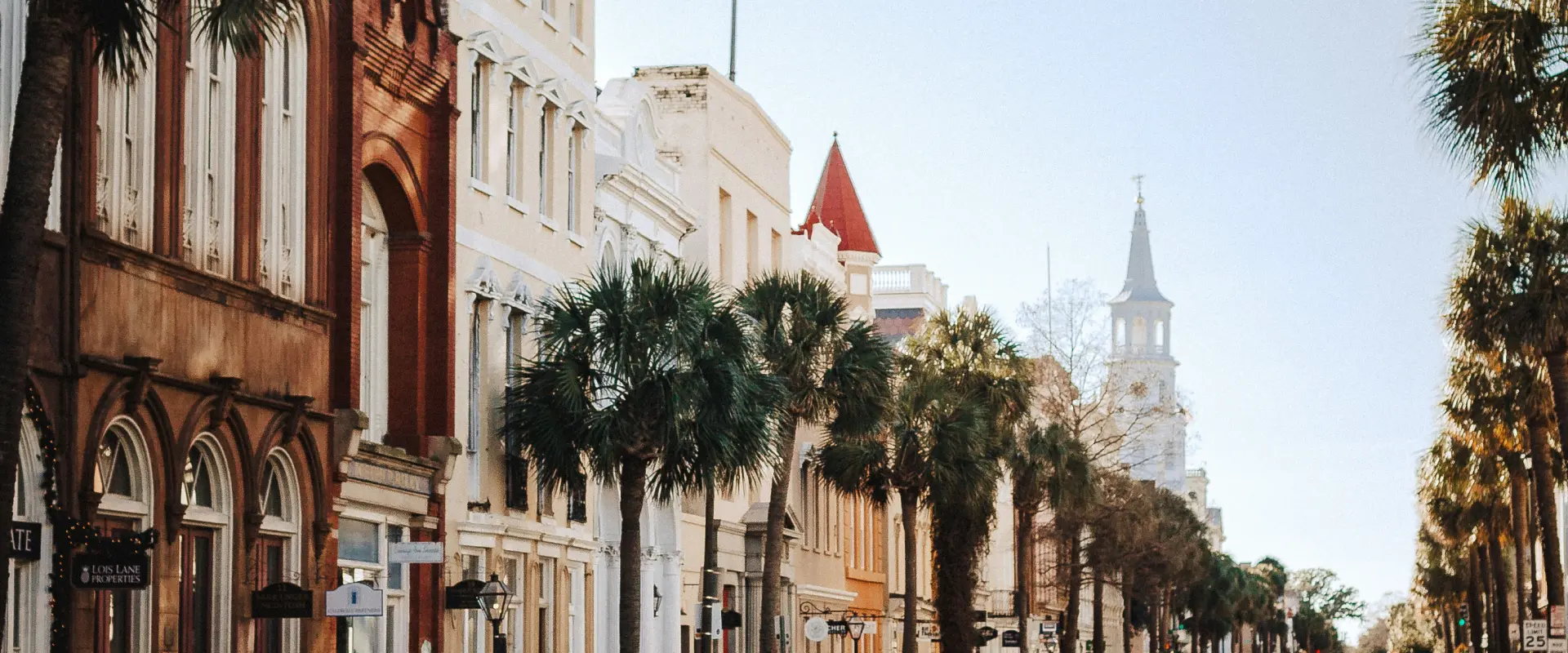
When Is the Best Time to Visit Charleston, SC?
April through May and September through October are the best months to visit Charleston. Daytime temperatures hover in the 70s to low 80s°F, humidity is lower than summer, hotel rates dip below peak pricing, and the city feels lively without being overrun. Spring brings blooming azaleas and garden tours, while fall offers crisp mornings and some of the best outdoor dining weather of the year.
That said, every season has something going for it. Summer is peak beach season. Winter is the quietest and most affordable time to explore downtown. The right time to visit really comes down to what you value most: warm water, low prices, thin crowds, or big events.
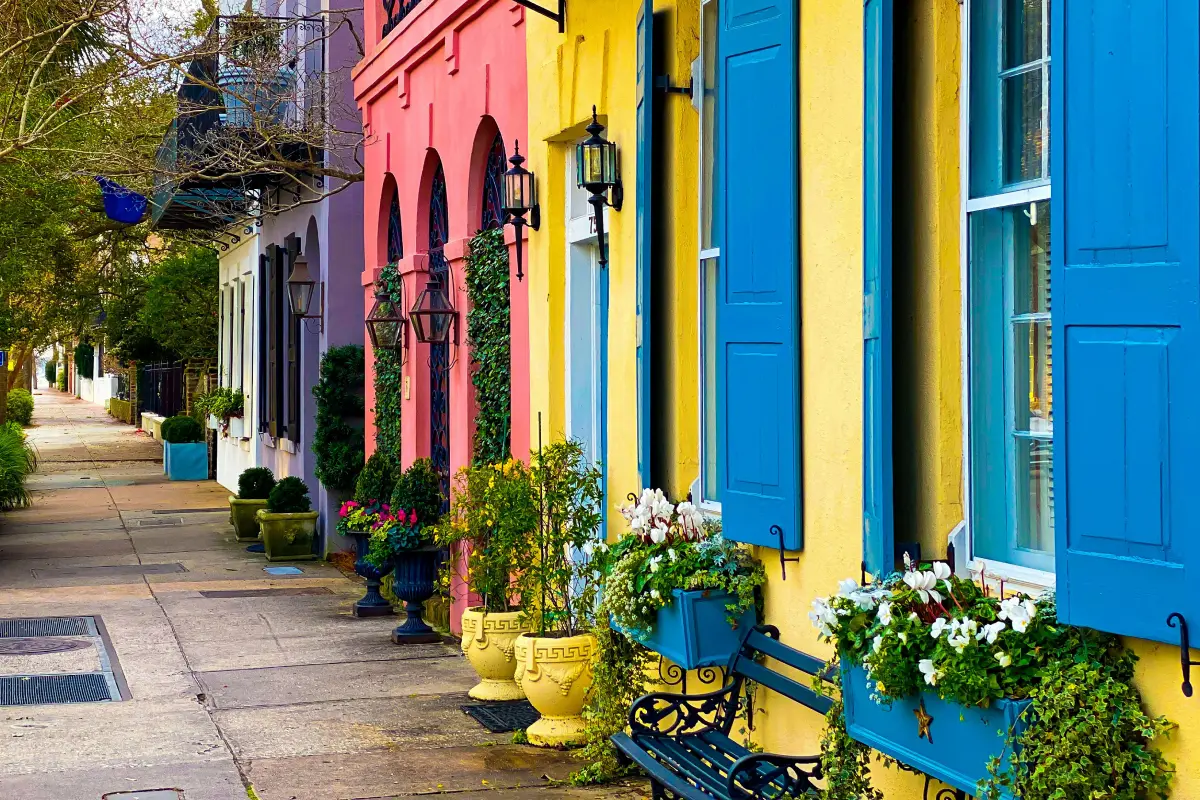
Spring in Charleston (March – May)
Spring is when Charleston puts on a show. Azaleas, wisteria, and jasmine bloom across the city's historic gardens, and the weather shifts from cool and pleasant in March to warm and sunny by May. Highs range from the mid-60s in early March to the low 80s by late May, with occasional afternoon rain showers that pass quickly.
- The Festival of Houses & Gardens runs through March and April, opening private homes and courtyards in the Historic District that are normally off-limits.
- Outdoor walking tours are at their best in spring. The air is warm enough for short sleeves but not yet thick with summer humidity.
- One thing to plan around: spring break. Late March and early April bring heavier crowds to both downtown and the beaches, so if quiet is what you're after, aim for mid-April through mid-May.
Summer in Charleston (June – August)
Summer in Charleston is hot. Temperatures regularly push past 90°F with thick humidity that sticks around from morning to night. If you're coming for the beaches, this is your window. Water temperatures climb into the upper 70s and low 80s, and the barrier islands are in full swing with lifeguards, surf, and long golden evenings.
- This is also peak tourist season, which means the highest hotel rates and buzzier restaurants.
- A few practical tips for summer Guests: start your sightseeing early in the morning before the heat peaks, carry water everywhere, and plan indoor time during the afternoon hours.
- If you're planning beach days, check out our guide to the best beaches in Charleston, SC for the full rundown on which island suits your style.
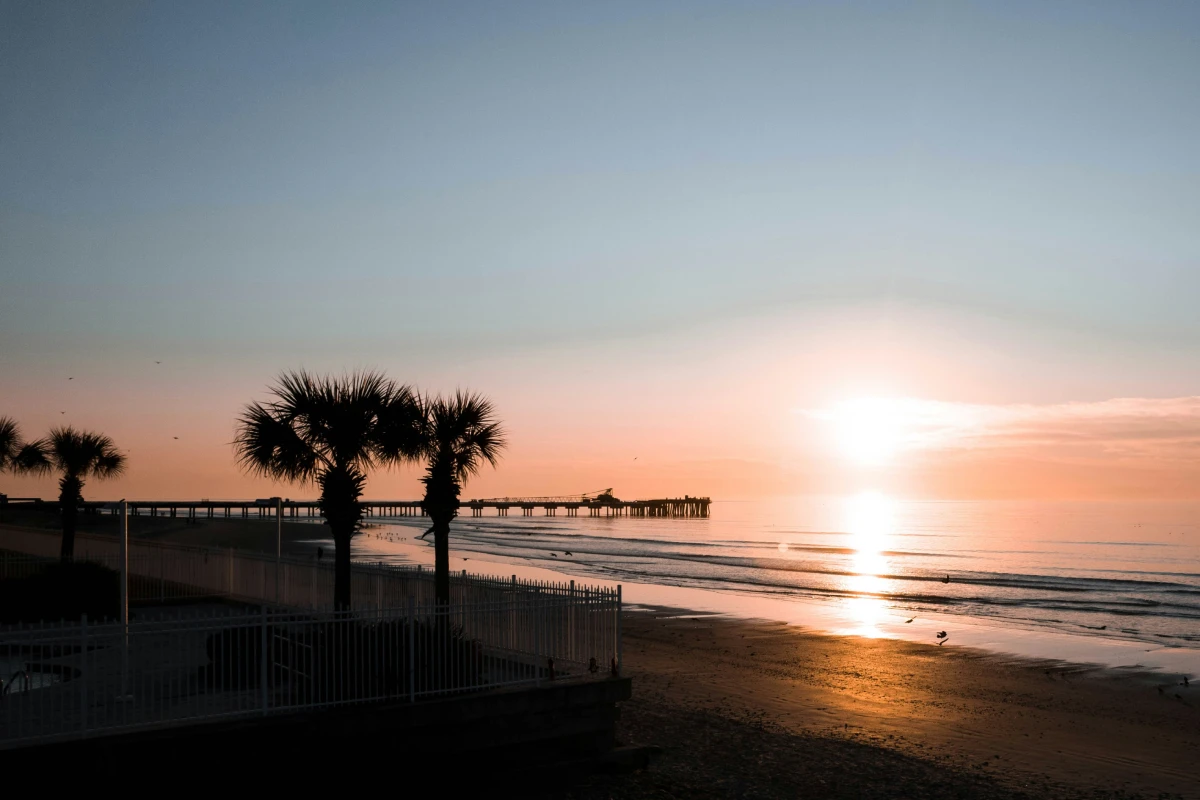
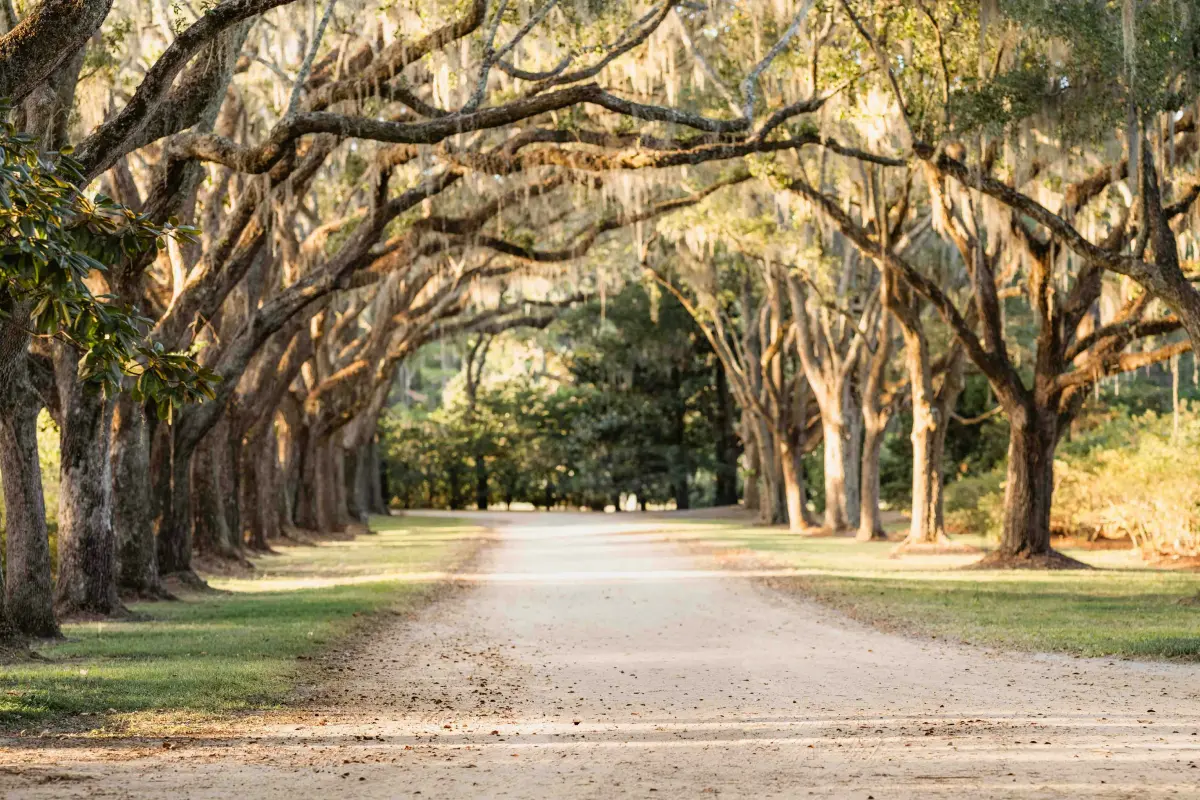
Fall in Charleston (September – November)
Fall might be Charleston's best-kept secret. The humidity finally breaks in late September, daytime temps settle into the 70s and low 80s through October, and the summer crowds thin out noticeably. Hotel rates drop, restaurants are easier to get into, and the city takes on a more relaxed pace.
- October is the standout month. The weather is warm enough for the beach but cool enough for long walks through the Historic District without breaking a sweat.
- Fall events include Halloween-themed ghost tours through Charleston's historic neighborhoods, harvest festivals, and the Holiday Market of Charleston, which kicks off in late November with local crafts, food vendors, and seasonal decor.
- One note: hurricane season runs June through November, with the most active stretch from August through October. Book a Nice, Nicer, or Nicest bundle for the most flexibility.
Winter in Charleston (December – February)
Winter in Charleston is mild compared to most of the East Coast. Daytime highs sit in the 50s and 60s°F, with occasional dips into the 40s at night. It's not beach weather, but it's perfect for exploring the city's history, architecture, and food scene without fighting for space on the sidewalk.
- December brings the Holiday Festival of Lights at James Island County Park, which draws visitors with millions of lights spread across the park's gardens and waterways.
- Hotel rates hit their lowest point between January and February, making winter the most budget-friendly time to visit.

What Are the Cheapest Months to Fly to Charleston?
Airfare to Charleston generally follows the same pattern as hotel prices. Summer months (June through August) and major holiday weekends command the highest fares, while January, February, and September (after Labor Day) tend to offer the best deals.
What Is Charleston's Weather Like Year-Round?
Charleston has a humid subtropical climate, which means warm to hot summers, mild winters, and rain spread fairly evenly throughout the year. Here's a quick reference:
- Rain averages about 4 to 5 inches per month year-round, with slightly more in summer due to afternoon thunderstorms.

How to Get There on Breeze
Breeze Airways flies nonstop to Charleston from more than 25 cities, including Hartford (BDL), Pittsburgh (PIT), Los Angeles (LAX), Long Island/Islip (ISP), Portland (PWM), Las Vegas (LAS), San Francisco (SFO), Tampa (TPA), Columbus (CMH), and several more.
Ready to book your trip?
Find nonstop flights to Charleston, SC, and start planning your trip.
Browse Flights to Charleston, South CarolinaFrequently Asked Questions – Visiting Charleston (CHS)
What is the best month to visit Charleston, SC? +
Is Charleston worth visiting in winter? +
When is hurricane season in Charleston? +
What is the hottest month in Charleston? +
When are hotel prices lowest in Charleston? +
Does Breeze Airways fly nonstop to Charleston? +