
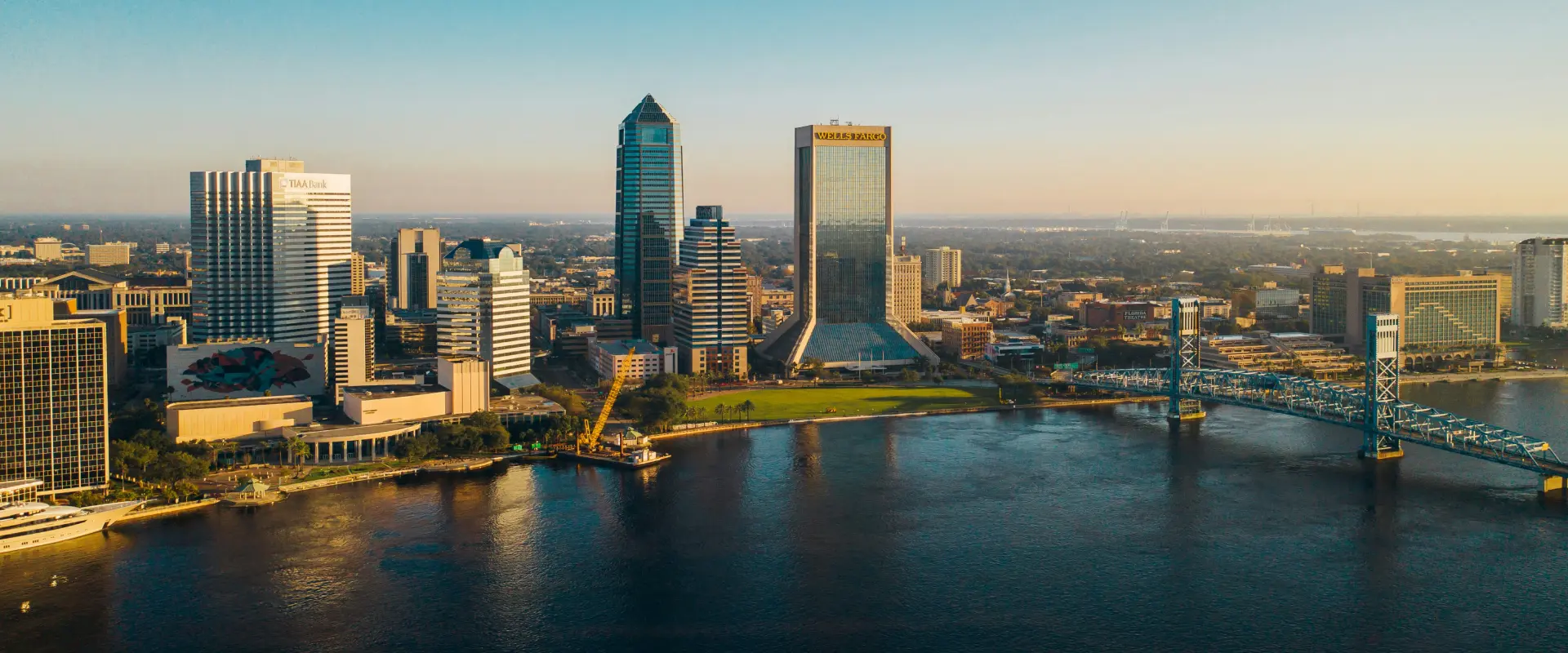
If you're looking for the best things to do in Jacksonville, FL, here's the short version: more beach, more river, more parks, and a lot more space than most Florida cities. Jacksonville (JAX) covers more land area than any other city in the contiguous US, which means the vibe shifts noticeably as you move from the historic riverside neighborhoods to the surf towns out at the coast. It's the kind of place where you can paddle a kayak in the morning, eat a fish sandwich on a deck overlooking the marsh at noon, and end the night listening to live music in a converted warehouse.
This guide covers what to do across Jacksonville's main neighborhoods and beaches, plus seasonal timing and practical tips for visitors. If you're still working out the dates, you can browse nonstop flights to Jacksonville, FL on flybreeze.com.
What Are the Best Outdoor Things to Do in Jacksonville?
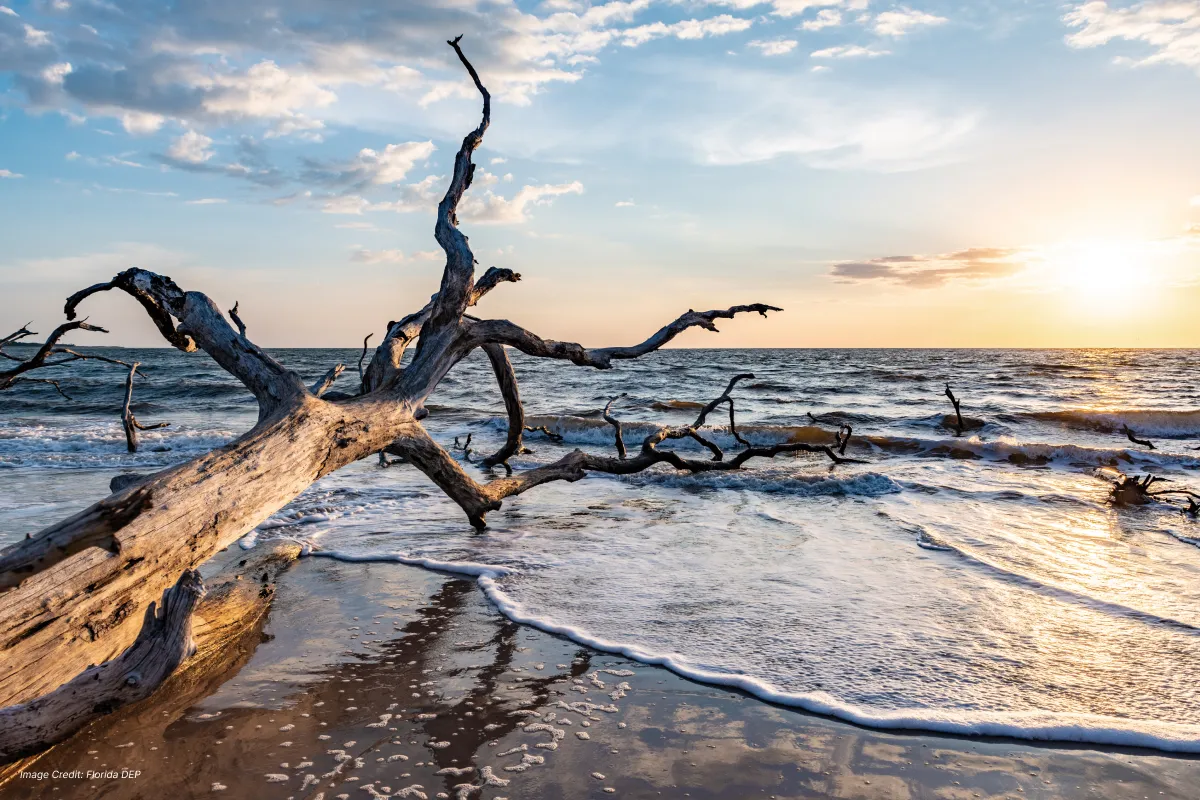
Jacksonville's outdoor scene runs on three main systems: the ocean, the St. Johns River, and the salt marshes that thread between them. The city has more shoreline than most people expect, and the weather cooperates for most of the year.
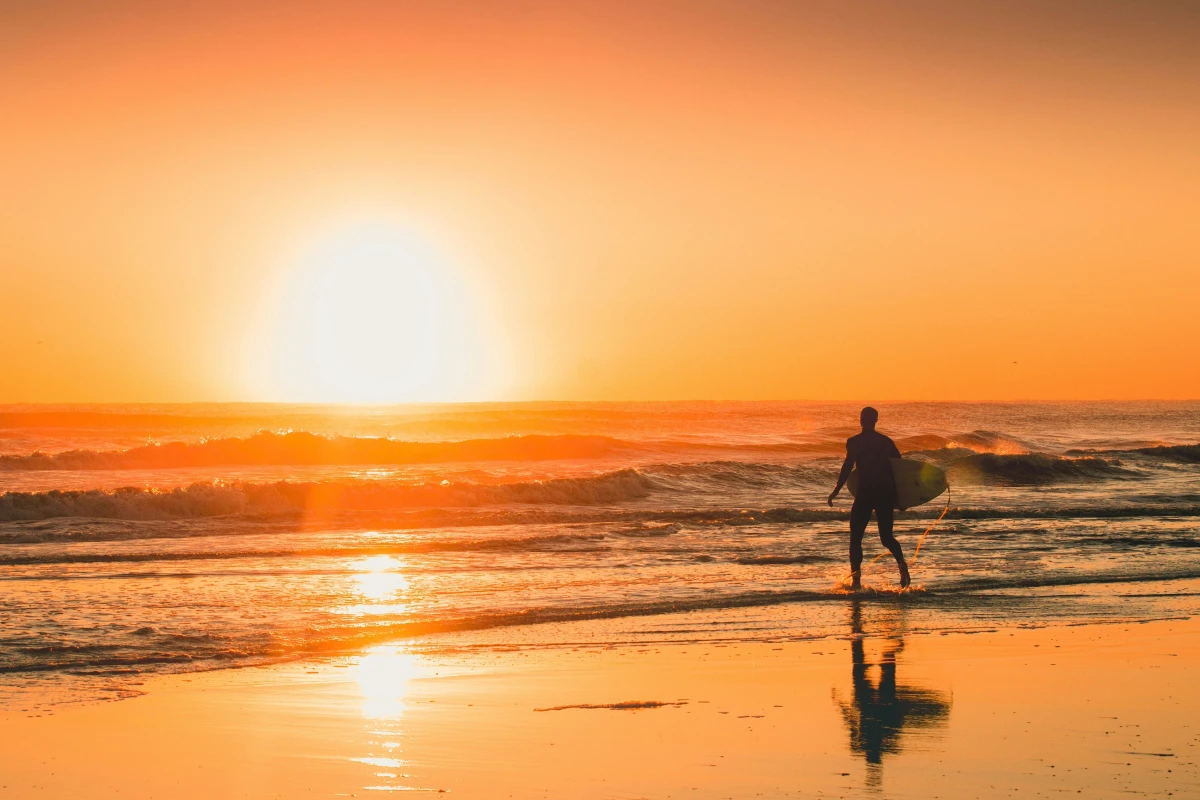
- Surf and Paddle the Atlantic – The waves at Jacksonville Beach, Neptune Beach, and Atlantic Beach are consistent enough that the local surf culture is its own thing.
- Kayak the St. Johns River and Salt Marshes – Jacksonville sits on the largest river that flows north in the country, and it's one of the most underrated paddling destinations in Florida.
- Hike Big and Little Talbot Island – About 45 minutes northeast of downtown, the Talbot Islands State Parks offer some of the most interesting hiking in northeast Florida.
Which Jacksonville Beaches Are Worth Visiting?
Jacksonville's beach towns sit east of the city, about 20 to 30 minutes from downtown. They share the same wide, flat coastline but each has its own pace.
- Jacksonville Beach – The busiest and most walkable of the three. Free public access points run every couple of blocks along 1st Street, and the SeaWalk Pavilion hosts free concerts and movie nights through the summer.
- Neptune Beach and Atlantic Beach – These two smaller beach towns sit just north and have a quieter, more residential feel.
- Mayport and Hanna Park – Just north of Atlantic Beach, the Mayport area is home to the largest urban park in Florida: Kathryn Abbey Hanna Park, often just called Hanna Park.

Where Do You Go for Arts and Culture in Jacksonville?
Jacksonville's cultural scene clusters around two areas: the Riverside-Avondale neighborhoods on the west side of downtown, and the museums on the Southbank along the St. Johns.
- The Cummer Museum of Art and Gardens – The Cummer is the standout in Jacksonville's art scene, with a permanent collection of American and European art and a string of formal gardens running right along the river.
- MOCA Jacksonville and the Downtown Mural Scene – The Museum of Contemporary Art (MOCA) sits on Hemming Park in downtown Jacksonville and rotates exhibits across modern and contemporary work.
- Riverside Arts Market – On Saturdays from spring through fall, the Riverside Arts Market sets up under the Fuller Warren Bridge along the river.
Where Should You Eat and Drink in Jacksonville?
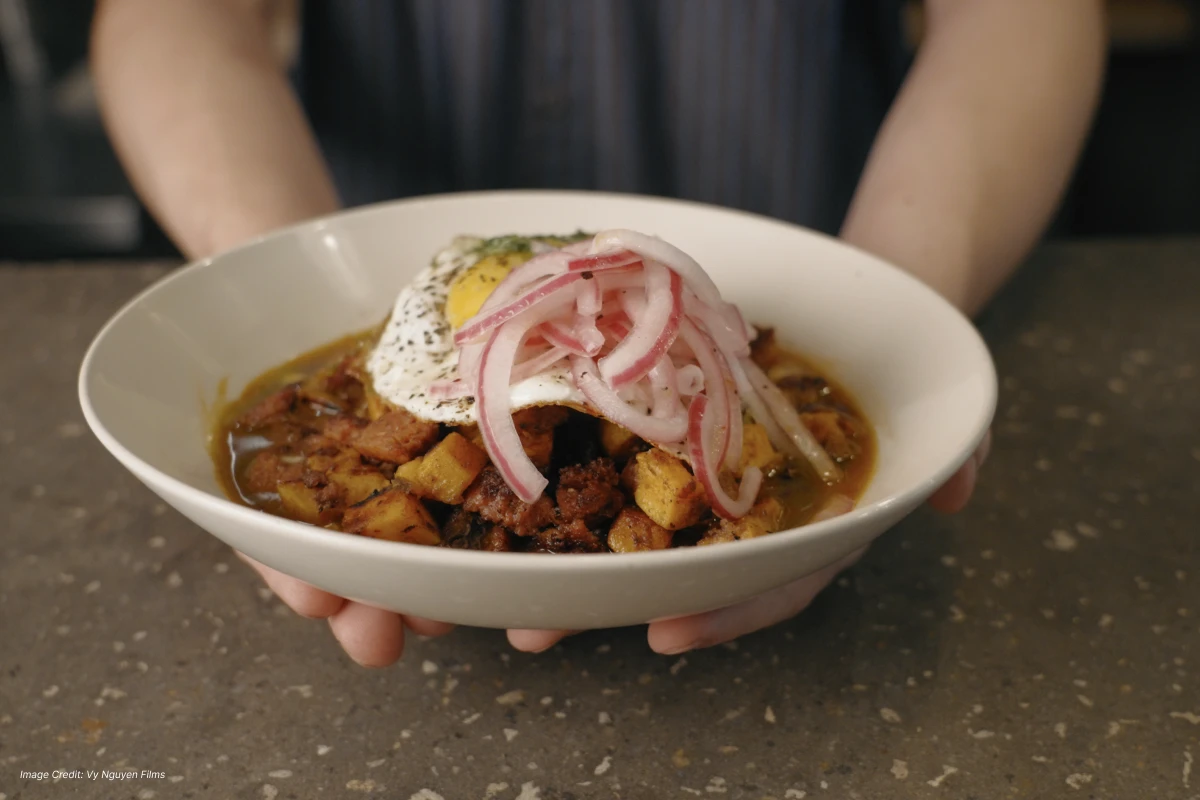
Jacksonville's food scene leans casual, with a strong focus on local seafood, southern roots, and a growing craft beer following.
- Coastal and Riverside Eats – Along the beaches, the move is fish tacos, shrimp baskets, and key lime pie at the kind of casual spots where flip-flops are standard.
- Riverside, Avondale, and San Marco – West of downtown, the historic Riverside and Avondale neighborhoods are the city's restaurant heartland. Brunch is a thing here, and most of the action centers on King Street and the Five Points intersection, where bungalow-lined streets meet a walkable strip of bistros, cocktail bars, and indie coffee shops.
- Craft Beer and Coffee – Jacksonville's craft beer scene has grown into one of the largest in Florida, with breweries clustered in Riverside, Murray Hill, and the Eastside.
When Is the Best Time to Visit Jacksonville?
Spring (March through May) and fall (October through early November) are the most comfortable months, with daytime highs in the 70s and low 80s and noticeably lower humidity. The ocean stays warm enough to swim through October. Summer is hot, humid, and prone to afternoon thunderstorms, and hurricane season runs June through November with the highest risk in August and September. Winters are mild, with highs in the 60s and ocean temperatures too cool for most swimming, but it's the best time for outdoor festivals and museum visits without the heat or the crowds.
Tips for Visiting Jacksonville
A few practical things worth knowing before you go:
- Rent a car: Jacksonville's footprint is huge, and the public transit options are limited. Most travelers will want a car to move between downtown, the beaches, and the state parks.
- Build your day around neighborhoods: Each part of Jacksonville has its own character, and trying to bounce between the beach and downtown for every meal eats up a lot of drive time.
- Pack for shifting weather: Even in winter, afternoons can warm up enough for shorts. In summer, layers are useful for indoor AC and outdoor humidity.
- Plan around tides for paddling: The Intracoastal currents are stronger than they look, especially in tidal creeks. Local outfitters will steer you toward the right window.
- Skip the rush hour: Traffic on the bridges across the St. Johns River backs up between 4 and 6 p.m. on weekdays, especially headed to and from the beaches.
How to Get There on Breeze
Breeze Airways flies nonstop to Jacksonville, FL (JAX) from a growing list of cities, making it one of the easiest Florida destinations to reach from the Northeast and Midwest. Sample nonstop routes include Hartford, CT (BDL), Providence, RI (PVD), Westchester County, NY (HPN), Norfolk, VA (ORF), Richmond, VA (RIC), Akron-Canton, OH (CAK), and Pittsburgh, PA (PIT).
Ready to explore Jacksonville, FL?
Find nonstop flights to Jacksonville, FL and start planning your trip.
Browse Flights to Jacksonville